 The Complete Guide to Buying a Home in Las Vegas
Buying a home in Las Vegas or Henderson is one of the biggest financial decisions you'll make. Whether you're a first-time buyer, relocating to Southern Nevada, purchasing your next home, or considering an investment property, understanding the home-buying process can help you make informed decisions with greater confidence.
Buying a home involves more than finding a property you like. Your budget, financing, neighborhood, property condition, offer terms, inspections, appraisal, title work, and closing all play important roles in the transaction.
At LIFE Realty District, we help buyers throughout Las Vegas and Henderson understand their options and navigate the home-buying process from the initial search through closing.
1. Determine Your Home-Buying Budget
Before you start touring homes, it's important to understand what you can comfortably afford.
Your overall housing budget may include:
- Down payment
- Monthly mortgage payment
- Property taxes
- Homeowners insurance
- HOA fees, if applicable
- Mortgage insurance, when applicable
- Utilities
- Maintenance and repairs
- Closing costs
- Other homeownership expenses
Don't focus only on the purchase price.
Two homes with the same price can have very different monthly costs depending on their HOA fees, insurance, taxes, financing, and maintenance needs.
Understanding your complete budget can help you focus your search on homes that fit your financial situation.
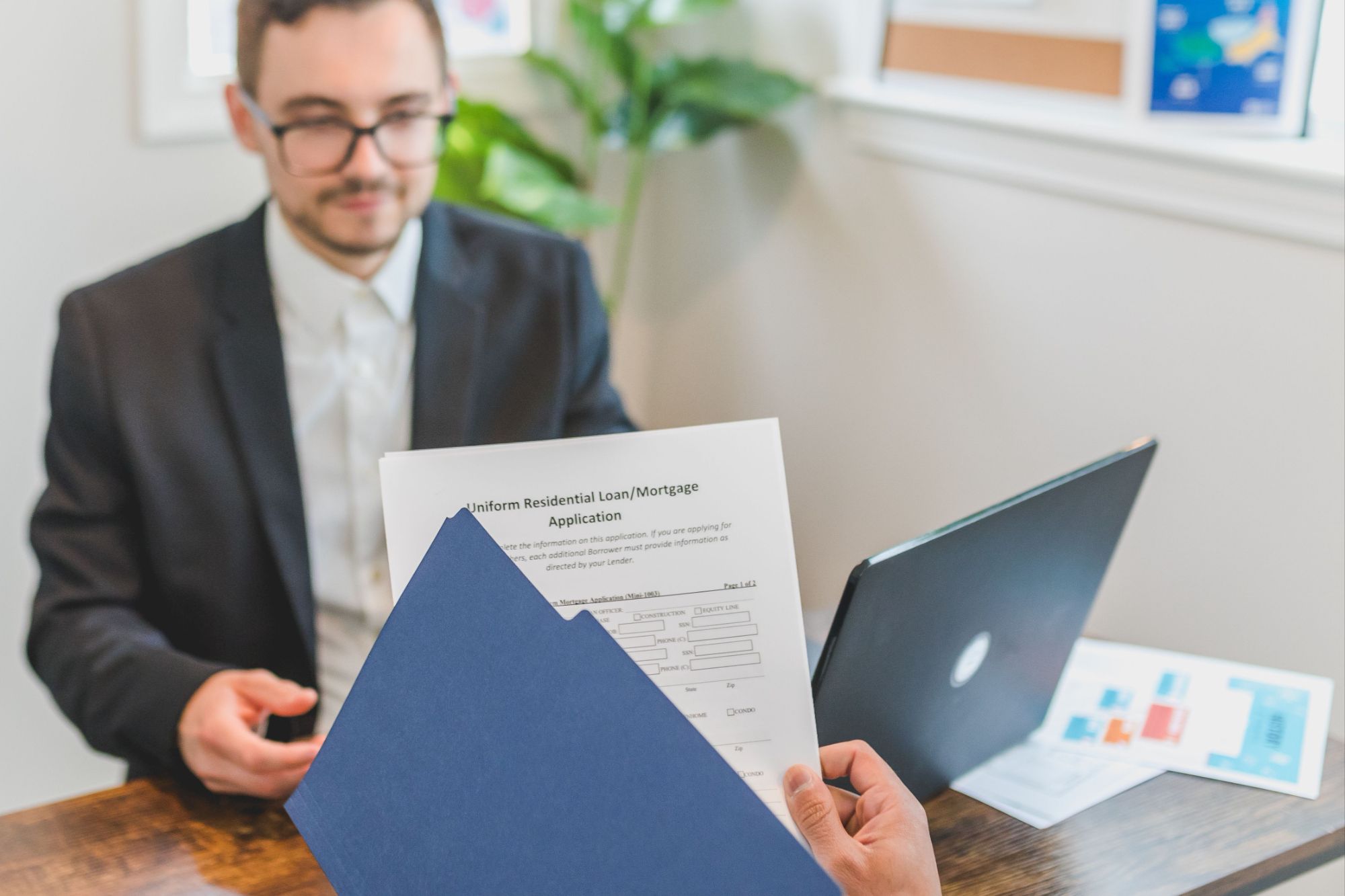
2. Get Pre-Approved for a Mortgage
If you're financing your purchase, getting pre-approved before beginning your home search can help you understand your potential price range.
A mortgage pre-approval can also:
- Help you understand your financing options
- Give you a clearer budget
- Demonstrate to sellers that you're prepared to purchase
- Help you move more efficiently when you're ready to make an offer
A pre-approval is not the same as final loan approval. Your lender will continue reviewing your finances and the property throughout the transaction.
If you are paying cash, you may instead need to provide appropriate proof of funds when making an offer.
Get the Free Las Vegas Home Buyer Guide
Planning to buy a home in Las Vegas or Henderson?
Download our free Home Buyer Guide for a practical step-by-step overview of the buying process, from budgeting and financing to choosing a home, making an offer, inspections, and closing.
3. Decide What You Need in a Home
Before touring properties, make a list of your priorities.
Consider:
- Number of bedrooms
- Number of bathrooms
- Home size
- Lot size
- Garage or parking
- Home office space
- Outdoor space
- Property type
- New construction vs. resale
- HOA preferences
- Desired location
- Commute
- Lifestyle preferences
It can also help to separate your list into:
Must-haves
Features you genuinely need.
Nice-to-haves
Features you'd like but could live without.
Deal-breakers
Things that would make a property unsuitable for you.
This can make your search much more focused.
4. Choose the Right Las Vegas or Henderson Area
The Las Vegas Valley includes a wide variety of communities and housing options.
Depending on your goals, you may explore areas such as:
- Summerlin
- Henderson
- Green Valley
- Green Valley Ranch
- Inspirada
- Southwest Las Vegas
- Centennial Hills
- Skye Canyon
- Lake Las Vegas
- Seven Hills
- Anthem
- Other communities throughout the Las Vegas Valley
Every area can differ in housing options, price ranges, amenities, commute patterns, HOA structures, and overall neighborhood characteristics.
Rather than choosing a neighborhood based solely on its reputation, consider the specific features and location factors that matter to you.
5. Research the Neighborhood Before Buying
Finding the right home is only part of the decision.
Before making an offer, take time to learn about the surrounding area.
Consider:
- Typical commute times
- Nearby shopping and services
- Parks and recreation
- Major roads and highways
- HOA requirements
- Property types
- Nearby development
- Noise and traffic
- Your access to work and daily activities
If schools are important to your decision, verify current school assignments and enrollment information directly with the appropriate school district or other official sources, since boundaries and availability can change.
The goal is to make sure the location works for your everyday life, not just that the house looks good online.
6. Start Touring Homes
Once your budget and search criteria are established, you can begin touring properties.
During showings, look beyond the staging and finishes.
Pay attention to:
- Overall condition
- Layout and functionality
- Natural light
- Storage
- Roof and exterior condition
- HVAC systems
- Plumbing
- Electrical systems
- Windows and doors
- Yard and landscaping
- Garage
- Signs of water damage
- Potential maintenance needs
Take notes after each showing so you can compare properties later.
It can be surprisingly difficult to remember the differences between several homes after a busy weekend of showings.
7. Review the Property Carefully
When you find a home you like, take a closer look at the property before deciding how much you're willing to offer.
Review available information about:
- Property history
- Recent improvements
- Age of major systems
- HOA information
- Property taxes
- Previous listings
- Comparable properties
- Current market competition
Your real estate professional can help you identify information that may be important to review before submitting an offer.
8. Make a Competitive Offer
When you find the right property, your real estate professional can help you prepare an offer based on the home's characteristics, comparable properties, current competition, and your goals.
An offer may include terms involving:
- Purchase price
- Financing
- Down payment
- Earnest money
- Inspection
- Appraisal
- Closing date
- Seller concessions
- Other contractual terms
The highest possible offer isn't always the only consideration.
The overall terms of the offer can also affect how attractive it is to the seller.
9. Understand the Contract and Contingencies
Before signing a purchase agreement, make sure you understand the terms and obligations involved.
Depending on the transaction, a contract may address matters such as:
- Financing
- Inspections
- Appraisal
- Title
- Closing
- Repairs
- Seller concessions
- Deadlines
- Other contingencies
Your real estate professional can explain the real-estate-related terms and help coordinate the transaction.
For legal or tax questions, consult the appropriate licensed professional.
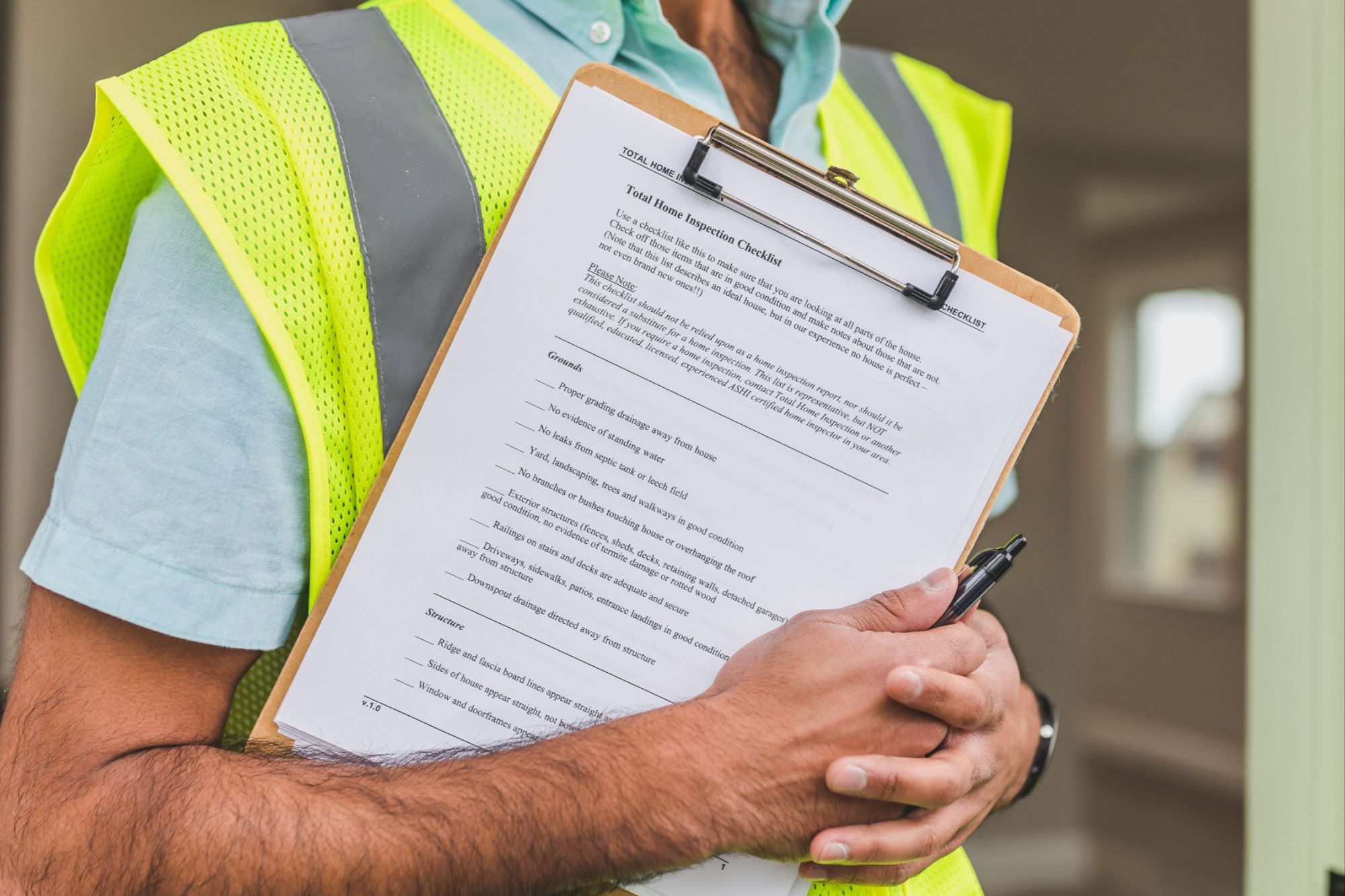
10. Complete the Home Inspection
A home inspection can help you better understand the condition of the property.
Depending on the property, an inspection may evaluate areas such as:
- Roof
- Foundation and structural components
- HVAC
- Plumbing
- Electrical systems
- Appliances
- Windows and doors
- Attic and crawl spaces
- Exterior areas
- Safety-related conditions
An inspection isn't designed to guarantee that a home will never have problems.
Instead, it can help identify conditions that may require further evaluation, maintenance, or discussion.
If the inspection identifies significant concerns, your options will depend on the purchase agreement and the circumstances of the transaction.
11. Complete the Appraisal, When Required
If you're financing the purchase, your lender may require an appraisal.
An appraisal provides the lender with an independent valuation of the property for lending purposes.
If the appraised value differs from the purchase price, there may be several possible ways to address the situation depending on the contract, financing, and circumstances.
Your lender and real estate professional can help explain the next steps.
12. Complete Your Loan and Title Process
While the property is moving toward closing, your lender and other transaction professionals will continue working on the purchase.
This may include:
- Final loan approval
- Verification of financial information
- Title review
- Required documentation
- Insurance
- HOA documentation, when applicable
- Final settlement figures
- Other closing requirements
Stay responsive to requests from your lender and transaction professionals.
Missing documents or deadlines can potentially delay the transaction.
13. Conduct Your Final Walkthrough
Before closing, buyers typically have an opportunity to conduct a final walkthrough according to the terms of the transaction.
The walkthrough gives you an opportunity to confirm that the property is in the expected condition and that agreed-upon items have been addressed.
This is generally not a substitute for a home inspection.
Instead, it's a final opportunity to review the property before completing the purchase.
14. Close on Your New Home
Once the required conditions have been satisfied and the necessary documents are ready, you'll complete the closing process.
Depending on the transaction, this may involve:
- Signing final documents
- Finalizing financing
- Reviewing settlement information
- Completing title and escrow requirements
- Paying required funds
- Recording the transaction
Once the transaction has officially closed and the transfer is complete, you'll become the owner of your new home.
Congratulations — you're ready for your next chapter.
How Much Money Do You Need to Buy a Home in Las Vegas?
There isn't one amount that every buyer needs.
Your upfront costs can depend on factors such as:
- Purchase price
- Down payment
- Loan type
- Closing costs
- Prepaid expenses
- Inspection costs
- Appraisal
- HOA-related costs
- Seller concessions
- Other transaction expenses
Some buyers may qualify for financing options that require different down-payment amounts.
Your lender can explain the specific financing programs and costs available based on your circumstances.
What Are Closing Costs?
Closing costs are expenses associated with completing a real estate transaction.
Depending on the purchase, they may include items related to:
- Loan origination
- Appraisal
- Title services
- Escrow
- Recording
- Prepaid taxes
- Insurance
- Other transaction-related expenses
The exact amount varies by transaction.
Before closing, review your estimated and final settlement figures carefully so you understand the funds required to complete your purchase.
Should You Buy a New Construction or Resale Home?
Both new construction and resale homes can have advantages and considerations.
New Construction
Potential considerations may include:
- Newer systems and construction
- Builder warranties
- Modern layouts and finishes
- Community amenities
- Construction timelines
- Builder incentives
- HOA requirements
Resale Homes
Potential considerations may include:
- Established landscaping
- Existing neighborhood character
- Immediate availability
- Mature community amenities
- Potential for renovations or upgrades
- More visible property history
The right choice depends on your budget, timeline, preferences, and the specific property.
What Should You Look for in an HOA?
If you're considering a home in an HOA community, don't focus only on the monthly fee.
Review:
- HOA dues
- Community rules
- Amenities
- Maintenance responsibilities
- Restrictions
- Assessment information
- What the HOA covers
- Any applicable transfer or resale fees
Understanding the HOA before purchasing can help you avoid surprises after closing.
Common Mistakes Home Buyers Should Avoid
1. Shopping Before Understanding Your Budget
Looking at homes outside your comfortable price range can make the process more difficult.
2. Focusing Only on the House
A beautiful home may not be the right fit if the location, commute, HOA, or overall costs don't work for you.
3. Skipping Due Diligence
Take time to review the property, contract, disclosures, inspection results, and other relevant information.
4. Making an Offer Based Only on Emotion
It's easy to become attached to a property, but your offer should still reflect your budget and goals.
5. Forgetting About Ongoing Costs
Remember that homeownership involves more than the mortgage payment.
6. Making Major Financial Changes During the Loan Process
If you're obtaining a mortgage, ask your lender before making significant financial changes that could affect your loan approval.
7. Ignoring Important Deadlines
Real estate transactions involve deadlines. Stay organized and respond promptly to requests from your lender, agent, title company, and other professionals.
Frequently Asked Questions About Buying a Home in Las Vegas
How much should I save before buying a home?
The amount you'll need depends on the purchase price, financing, down payment, closing costs, prepaid expenses, and other transaction costs. Speak with a lender to understand your specific requirements.
Do I need to be pre-approved before looking at homes?
You can explore homes before getting pre-approved, but obtaining a pre-approval early can give you a clearer understanding of your potential budget and help you move more efficiently when you're ready to make an offer.
How much should I offer on a Las Vegas home?
There isn't one number that applies to every property. Your offer should consider comparable sales, current competition, property condition, market conditions, and your overall goals.
Should I get a home inspection?
A home inspection can provide valuable information about the condition of a property. The inspection process and buyer's options depend on the contract and circumstances.
What happens if the appraisal is lower than my offer?
If an appraisal comes in below the purchase price, the available options depend on your contract, financing, and circumstances. Your lender and real estate professional can help explain the options available to you.
How long does it take to buy a home?
There isn't one timeline for every purchase. The process can depend on your financing, property selection, negotiations, inspections, appraisal, title work, and closing requirements.
Should I buy a home in Las Vegas or Henderson?
Both areas offer a variety of communities and housing options. The right location depends on your budget, commute, lifestyle preferences, desired amenities, and long-term plans.
Ready to Start Your Home Search?
Buying a home doesn't have to feel overwhelming.
With a clear budget, the right preparation, and professional guidance, you can approach each stage of the process with greater confidence.
Get the Free Las Vegas Home Buyer Guide
Want a helpful resource to keep with you throughout your home search?
Download our free Home Buyer Guide for a practical overview of the buying process, from budgeting and financing to choosing a home, making an offer, inspections, and closing.
Whether you're purchasing your first home, moving to Southern Nevada, looking for your next property, or exploring investment opportunities, LIFE Realty District can help you navigate the Las Vegas and Henderson real estate markets.
Contact LIFE Realty District to begin your Las Vegas or Henderson home search.
Buyer Disclaimer
This article is provided for general informational purposes only and is not legal, tax, financial, mortgage, appraisal, or other professional advice. Mortgage requirements, interest rates, closing costs, market conditions, laws, property availability, and transaction requirements can change. Buyers should verify information relevant to their specific situation and consult the appropriate licensed professionals when necessary.
LIFE Realty District
LIFE Realty District
Roger Ayala — Broker
Nevada Broker License #B.0143368
2225 Village Walk Dr., Suite 260
Henderson, NV 89052